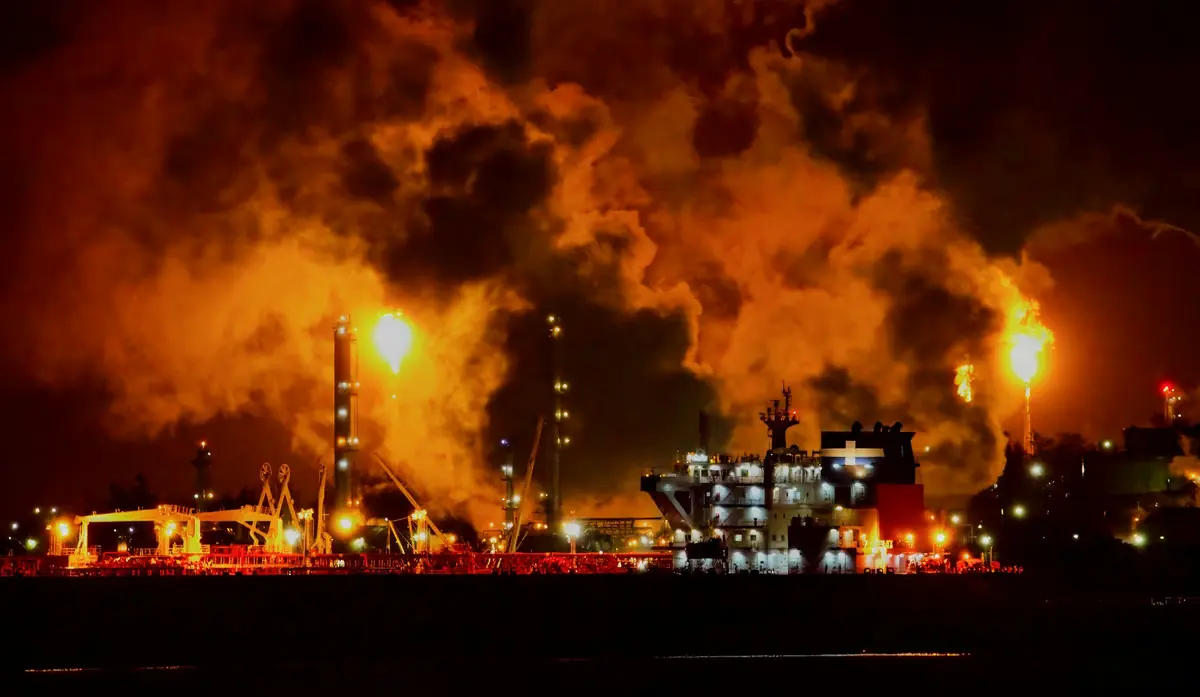
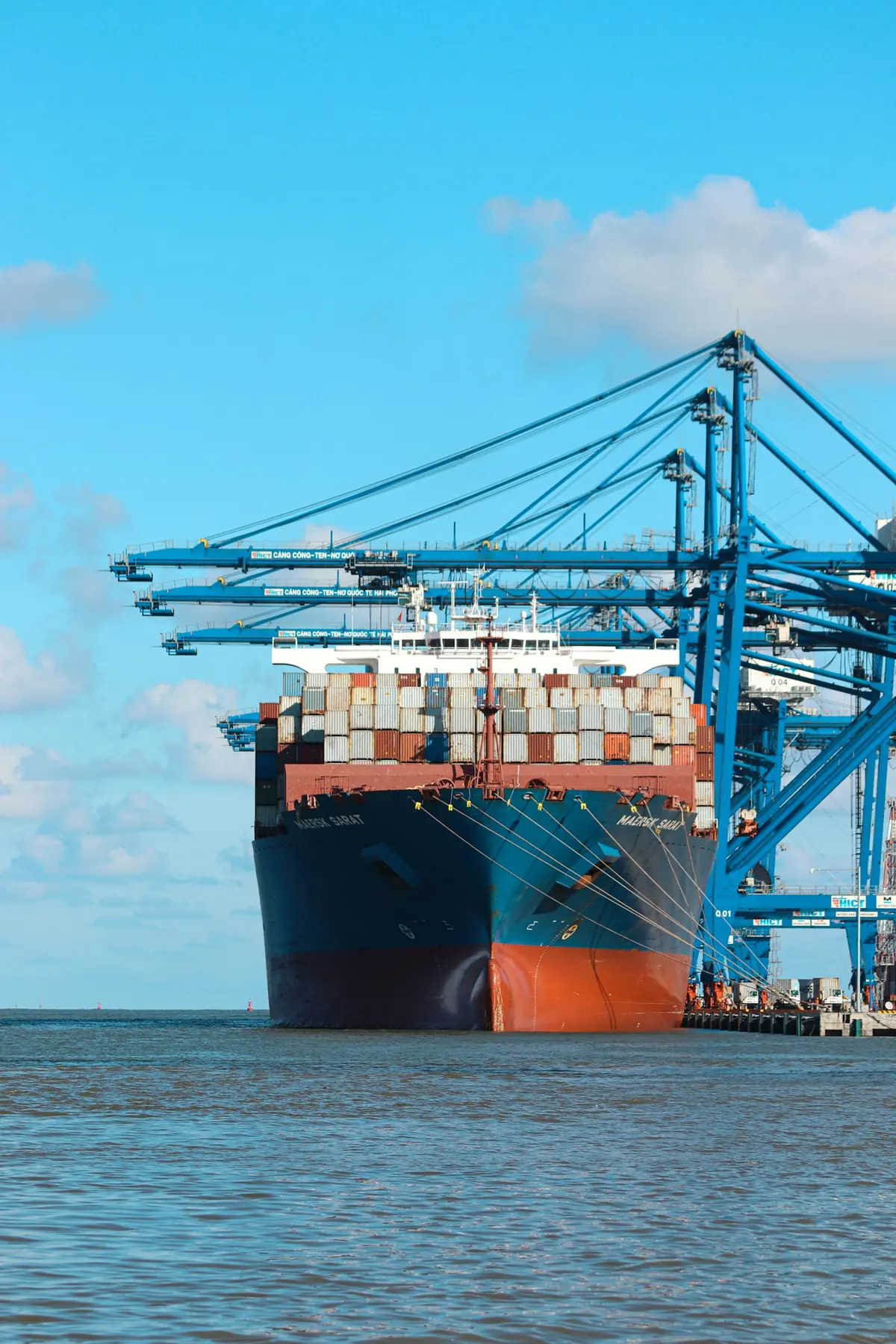
PG+ (MSCR): performance grade bitumens matched to traffic load.
The growth in traffic volume, the variety of traffic loads and the resulting distress on roads and highways led researchers and producers in the bitumen and asphalt field to create new methods for designing the main material of asphalt, bitumen. In the United States, the Strategic Highway Research Program (SHRP), by adding several tests including MSCR, was able to describe the properties of petroleum and modified bitumens well. Products made to AASHTO M332 and M320 using these new tests are named PG PLUS.
PG PLUS is the production of performance grade bitumens matched to traffic load, as used in advanced countries.
Traffic levels
Under this new and modern classification, performance grade bitumens are divided, produced and used for four types of traffic: normal, heavy, very heavy and extremely heavy.
Traffic type
Designation
Standard (normal)
S
Heavy
H
Very heavy
V
Extremely heavy
E
Basis of selection
Selection factor
Considered
Traffic load
Yes
Regional climate
Yes
Traffic load and climate together
Simultaneously
Packing data
Steel drum (barrel) specification
Steel drums are widely used for packing bitumen; their size, thickness and capacity must suit the filling equipment. Standard drums have a body plate thickness of 0.6 mm and come in two heights, tall and short, of 89 ± 3 cm and 68 ± 3 cm.
Property
Quantity
Unit
Body Plate Thickness
0.6
mm
Top & Bottom Plate
0.6
mm
Thickness Height
100
cm
Diameter
50±2
cm
Lid Hole Position
Center
Lid Hole Diameter
20
cm
Net Filling Capacity
182.5±2.5
Kg
Empty Drum Weight
9.5±0.2
Kg
Color
Furnace Black
Short drums hold about 150 kg and cost more per tonne than tall drums; in many markets tall drums of 180 kg filling are the most used.
A 20 ft container carries 110 drums without pallets or 80 drums palletised; a 40 ft container carries 137 drums without pallets or 150 drums palletised.
A flatbed truck carries about 115 drums without pallets or 90 drums palletised.
Used drums are not recommended: they do not meet international quality standards, and new drums reduce transport risk.
Overview
MSCR specifications add a traffic designation to a climate selected performance grade. S, H, V and E refer to standard, heavy, very heavy and extremely heavy traffic categories. Specify the required temperature grade, traffic level, test edition and acceptance limits.
Traffic class does not replace the high and low pavement temperature grade. Verify both parts of the requested designation and the applicable MSCR limit.
GradesS · H · V · E traffic categories
StandardsAASHTO M 332 / ASTM D8239, edition specified
The packing system is confirmed against the grade, handling equipment and transport requirements.
Representative packaging imageDrums
New steel drums
Sealed new steel drums, the most flexible way to ship: any quantity, any container, unloaded by forklift at site. Drums come tall or short; tall drums are the more widely used, and short drums cost more per tonne. We do not recommend used drums, which do not meet international quality standards; new drums reduce transport risk.
180 ± 3 kg net / 190 ± 3 kg gross per drum
150 ± 3 kg net / 159 ± 3 kg gross per drum
Stuffed in 20 ft containers
Marked and labelled to your instructions
Specification
Body plate thickness
0.6 mm
Top and bottom plate thickness
0.6 mm
Height
89 ± 3 cm tall drum, 68 ± 3 cm short drum
Diameter
50 ± 2 cm
Lid hole position
Centre
Lid hole diameter
20 cm
Net filling capacity
180 ± 3 kg tall drum, 150 ± 3 kg short drum
Empty drum weight
9.5 ± 0.2 kg
Colour
Furnace black
Loads per unit
Transport
Without pallets
Palletised
20 ft container
110 drums
80 drums
40 ft container
137 drums
150 drums
Flatbed truck
About 115 drums
About 90 drums
Representative packaging imageBulk
Bulk vessel
Heated bitumen tankers for large volumes into terminals with heated storage.
Large project volumes
Heated tanker to heated terminal
Lowest packing cost per tonne
Delivery terms
Export delivery terms.
FOB, CFR and CIF quotations under Incoterms 2020, from UAE ports.
Term
Name
What it covers
Details
FOB
Free on board
We deliver the cargo on board at the UAE port of loading.
Risk passes to you once the cargo is on board the vessel at the UAE port. You book and pay the sea freight and insurance. Best when you already have a freight forwarder or a shipping line contract.
CFR
Cost and freight
We pay the sea freight to your named port.
We book and pay the freight to your destination port. Risk still passes on board at loading, so you arrange cargo insurance. A simple choice when you want one landed freight price without buying our insurance.
CIF
Cost, insurance and freight
Freight and cargo insurance to your named port, both on us.
As CFR, plus we take out cargo insurance for your benefit until the destination port. Often requested by banks under a letter of credit.